
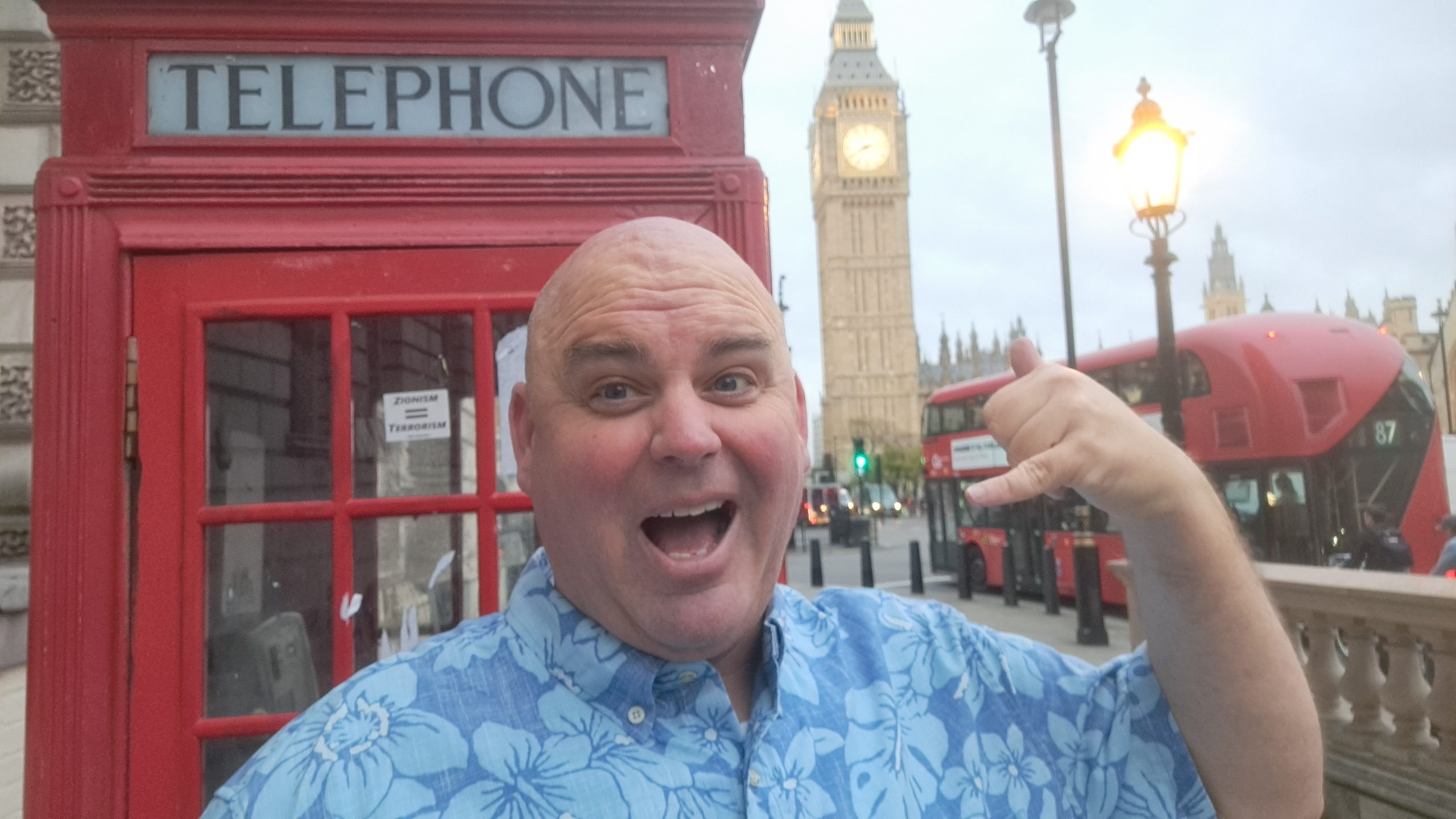
I went to London for an EPIC Board UK event hosted by Roland Frasier alongside Sam Khorammian and Deanna Rogers. The event was held at The Savoy — one of those rooms where you immediately understand that the people in it take what they do seriously. I was there as a presenter, which made it one of those trips where the work and the experience are impossible to separate. I came back with five things I didn’t expect to learn.
1. Seller Financing Is More Common Than Most US Owners Realize
Nearly 40% of mid-market deals under $50 million involve some form of seller financing. This isn’t a niche structure — it’s a mainstream deal tool that sophisticated buyers on both sides of the Atlantic use regularly. What struck me talking to UK-based deal professionals is how matter-of-factly this came up. In the US, seller financing often feels like a last resort. In rooms like this one, it’s simply part of how deals get structured. If you’re a business owner approaching a sale and you’re not prepared to have a seller financing conversation, you’re not prepared for a real deal conversation.
2. The Language of Deals Changes Depending on Where You Are
In the US we talk about multiples. As in, “what multiple of EBITDA did you get?” In the UK the same concept is expressed as Turns. “How many turns did you get on the deal?” Same math, completely different vocabulary. This matters more than it sounds. If you’re sitting across the table from a UK-based buyer or advisor and you don’t recognize the terminology, you come across as someone who hasn’t done international deals. Understanding that language shifts by geography is part of operating at the level where serious buyers live.
3. There Are Fewer People Working Deals at This Level Than You Think
One of the consistent surprises across every M&A event I’ve attended — and London reinforced this sharply — is how small the actual deal-making community is. The number of people actively sourcing, structuring, and closing mid-market transactions is a fraction of what most business owners imagine. This is good news for owners who get serious about exit preparation early. The buyers are accessible. The advisors are reachable. The market is less crowded than the noise around it suggests.
4. I Work With Business Owners Outside the United States
If you’re a business owner in the UK, Canada, Australia, or anywhere else building toward a liquidity event in the $10M–$250M range — the Exit Ratio 360™ system applies to your business. Enterprise value, buyer risk perception, customer concentration, leadership depth, financial quality — these don’t change at the border. The frameworks work because they’re built around how sophisticated buyers evaluate companies, and sophisticated buyers are global. I’m open to working with owners outside the US and this trip reminded me to say that clearly.
5. Presenting at The Savoy Sets a Standard
There’s something about presenting in a room full of people who dressed for the occasion, at one of the most storied hotels in the world, talking about deals and frameworks and what it actually takes to build something worth buying — it recalibrates your sense of what’s possible. I spent time outside the event at London’s museums, eating good food, and making the kind of connections that don’t happen on a Zoom call. That’s the other reason to travel. Not just the knowledge in the room. The people you meet in the hallways.